

When you think about investing, one of the most important questions isn’t “Which asset should I buy?” — it’s “For how long?” The investment time horizon is the timeframe over which you plan to keep your money invested before you need to use it. It’s not just a technical definition: this horizon shapes your risk tolerance, asset allocation, psychology, and ultimately the probability of reaching your financial goals.
What Is a Time Horizon?
Your investment time horizon is the period between when you invest and when you plan to withdraw your capital. For some, it might be years or decades — like saving for retirement or a child’s education. For others, it could be months — for example, setting aside money for a down payment on a home or a planned purchase in the near future. The key is that the horizon must be tied to a clear purpose. Without it, strategy becomes random and outcomes unpredictable.
Rather than just a number, the time horizon reflects your intent. Knowing why you’re investing — whether for long-term wealth building or short-term goals — shapes the rest of your investment plan. Vague goals like “I won’t need this money for a while” are not enough. True clarity comes from asking: What future outcome do I want to achieve with this capital?
Why Time Horizons Matter for Your Portfolio
Time horizon isn’t merely a planning tool — it fundamentally affects risk capacity and expected returns:
Risk Capacity:
A longer horizon means you can generally tolerate larger market swings because you have more time to recover from downturns. For example, someone investing for 20+ years can absorb volatility better than someone who needs the money next year. This naturally allows a higher allocation to growth‑oriented assets like stocks.Asset Allocation Decisions:
If your goal is far off in the future, it makes sense to include more equities, which historically outperform over long periods but are volatile in the short term. For short horizons, preserving capital becomes the priority, so low‑volatility and liquid investments — such as cash equivalents or short‑term bonds — become more appropriate.Behavioral Discipline:
Financial markets constantly generate noise: headlines, forecasts, and short‑term swings that can trigger emotional reactions. A well‑defined time horizon acts as a psychological compass, helping you stick to your plan rather than reacting impulsively to market noise.
Different Horizons, Different Strategies
Not all time horizons are created equal. While there are no rigid rules, common categorizations help guide strategy:
Short‑Term (Months to ~3 Years):
Suitable for goals that require liquidity soon. The focus here is on preserving principal. Equity exposure is usually limited due to the risk of short‑term drawdowns.Medium‑Term (~3–10 Years):
With a longer runway, you can accept a bit more volatility. Balanced allocations that mix equities and fixed income can be appropriate, as they strive for growth while managing risk.Long‑Term (10+ Years):
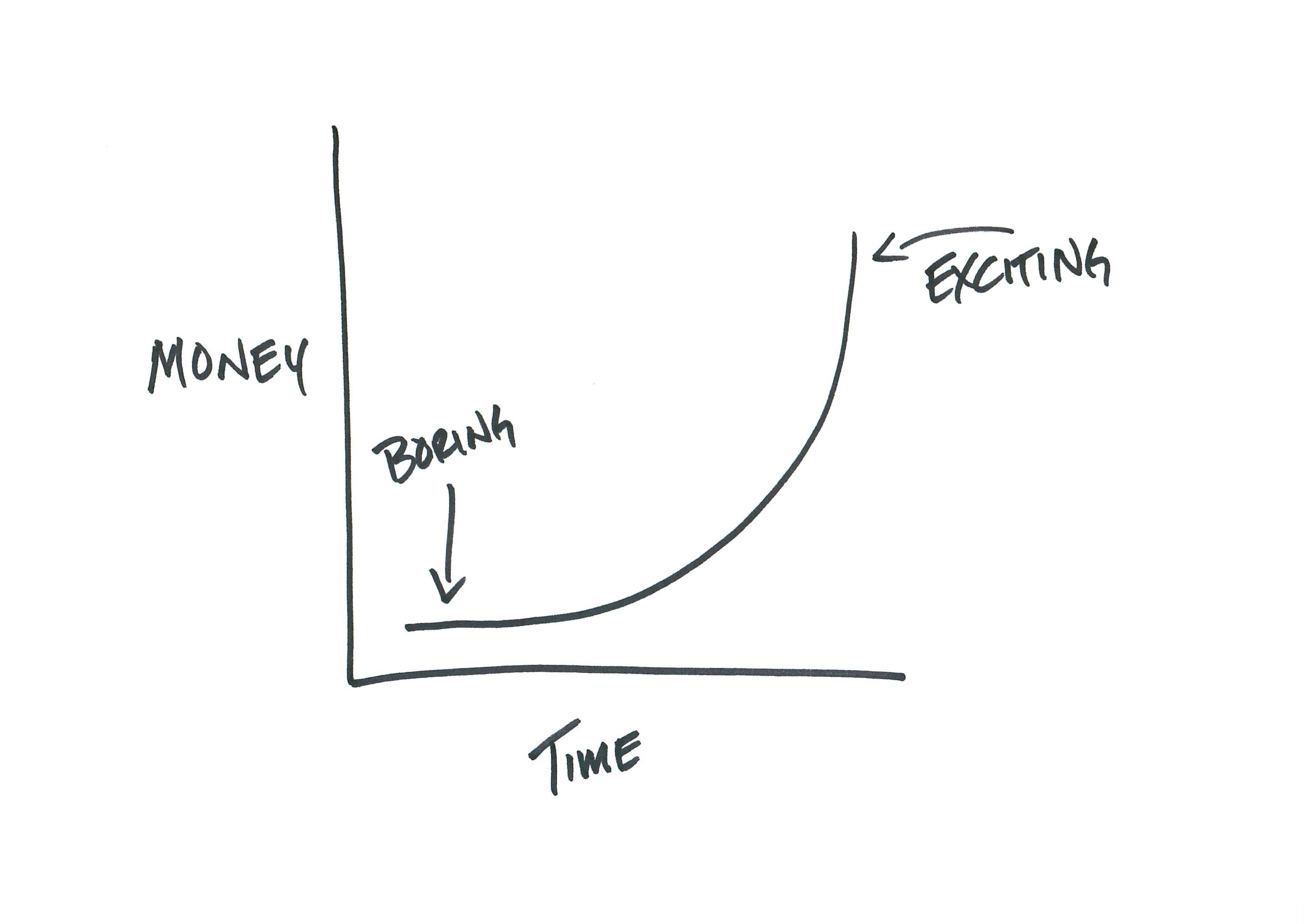
This horizon allows you to benefit from compounding and absorb cyclical downturns. Stocks and growth assets play a central role here, supported by the historical tendency of markets to rise over extended periods.
Understanding where you fall on this spectrum lets you design a portfolio that matches both your needs and your ability to stay the course.
A Real‑World Perspective on Risk and Time
Let’s say you’re in your early 30s planning for retirement at 65. You have more than three decades of time. No matter how turbulent markets may be, you have the luxury of patience — the chance that your portfolio will recover from drawdowns and capture long‑term growth. This scenario typically supports an equity‑leaning portfolio.
Contrast this with someone who plans to buy a house in 18 months. Their capital must be safe and accessible. They cannot afford to wait out a market downturn, so assets must be chosen with low volatility and high liquidity in mind.
The time horizon you choose also interacts with your risk tolerance — the personal comfort level with fluctuations in portfolio value. Two investors with the same horizon may still end up with different portfolios if one is more risk‑averse and the other willing to tolerate wide swings for the potential of higher returns.
Time Horizon and Emotional Resilience
Markets can be unpredictable. Short‑term losses can trigger anxiety, especially when results diverge from expectations. But with a clear long‑term horizon:
You’re less likely to react emotionally to temporary dips.
You’re more likely to stick with disciplined investment plans.
You avoid the costly behavior of selling low and buying high.
In a world overflowing with daily financial media and instant performance updates, letting your long‑term horizon guide decisions keeps you aligned with your goals, not with short‑term distractions.
Putting It Into Practice
Defining your investment time horizon isn’t a one‑time exercise. It should be part of your financial plan and revisited when your goals change. Here’s a simple process to integrate it effectively:
Identify the Objective: What am I investing for? (Retirement, home purchase, education, etc.)
Determine the Timeframe: When will I realistically need the money?
Match Risk and Return Expectations: Align assets to both the horizon and your risk tolerance.
Monitor and Adjust: Life changes, and so might your horizon. Update as needed.
By consciously aligning your time horizon with your investment decisions, you build a framework that supports both rational strategy and emotional stability.
Final Thought
Time horizon is more than a planning tool — it’s the lens through which all other investment decisions make sense. Whether you’re just starting out or refining a seasoned portfolio, anchoring your strategy to a well‑defined timeframe increases your chances of success and keeps you resilient during inevitable market fluctuations.